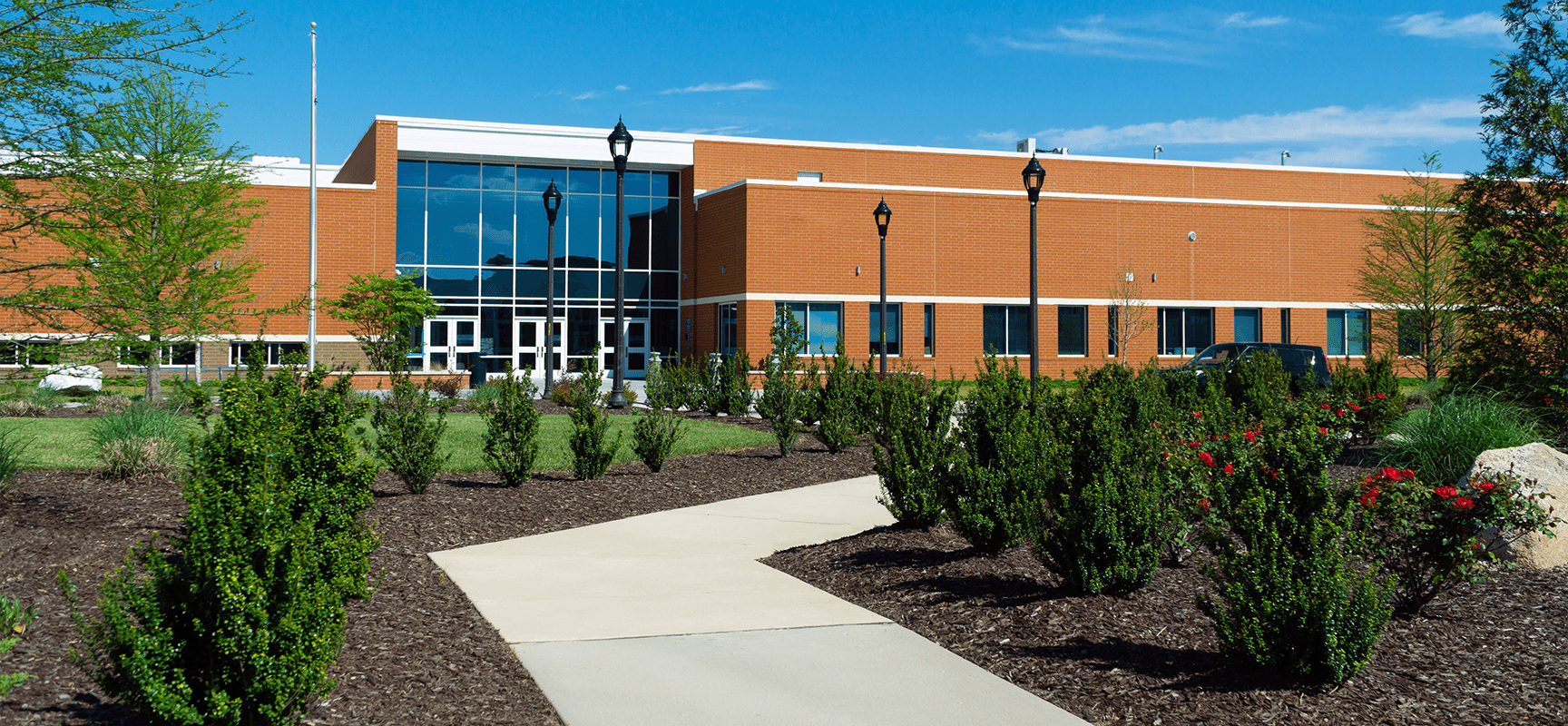
5 Smart Building Upgrades for Safer, More Efficient Schools
At any given moment, your school buildings hold opportunities for improvement, such as enhancing air quality, reducing humidity, preventing leaks, fine‑tuning equipment, or optimizing electrical systems. Each step forward creates a healthier, safer, and more efficient learning environment for students and staff. The AssuredPartners Education Practice has explored several modern solutions that may help educational institutions proactively address these types of property threats while at the same time minimizing wastefulness and improving the learning environment.
Smart Ways to Help Modernize and Maintain Your School Buildings
Integrating the following smart technology and monitoring systems into your current infrastructure or future construction projects may not only support the continuity of your school’s property but also enhance the health, safety, and inclusivity of your community.
Water Leak Detection Systems
A water leak in a school building can lead to a variety of serious property issues, including structural instability, mold growth, and electrical hazards. To safeguard facilities from unwanted water, it’s crucial to identify signs of potential leaks as quickly as possible. Water leak detection systems provide schools with a proactive means of uncovering and addressing leaks across multiple zones and facilities, and minimizing the likelihood that a leak will lead to costly repairs or extended closures of campus buildings.
The key component of any comprehensive water leak detection system is its water sensors, which are typically placed in areas of a school building prone to leaks and near high-value equipment. These sensors actively monitor moisture levels and send an instant alert to the responsible parties when any signs of water intrusion are detected. Beyond sensors, a school may want to consider smart water detection systems with the following valuable components:
- Water shutoff valves that automatically close off the water supply if a leak is detected.
- Cellular-connected leak sensors that trigger an automated phone call showing where a leak is happening.
- AI-powered leak detection software that establishes normal water usage for each building and sends an alert if water consumption deviates.
- Temperature and humidity sensors that make it easy to manage climates across multiple buildings and send alerts if levels are outside of a safe range.
Are you concerned about the risks and potential insurance costs associated with your school facilities? Contact us today to discuss how our risk management solutions can help!
Energy Management Systems
Educational facilities spend billions of dollars each year on energy, with nearly one-third of that output ultimately going to waste, either because it’s not being used efficiently or simply not being used at all. To save energy and money, schools may want to consider monitoring the power equipment on their campus via a wireless energy management system. These smart systems track energy consumption at a granular level, telling you exactly when energy is being consumed, how much, and where—down to a specific facility, floor, or room of a building, or piece of equipment. There are many ways educational facilities are using this information, including:
- Designing energy-efficiency and cost-saving programs that directly address weak spots in buildings.
- Detecting and preventing potential problems with critical building equipment before they result in costly downtime or failure.
- Monitoring progress toward achieving Leadership in Energy and Environmental Design (LEED) building status and other government certification benchmarks that may qualify a school for rebates.
- Sharing campus-wide energy consumption habits with students, faculty, and staff to build awareness about energy-saving initiatives.
Infrared Thermal Imaging Devices
Educational institutions are now using thermal imaging to track down safety and efficiency issues in their facilities. Thermal imaging cameras come in a variety of forms, including handheld, fixed mount, and drone, and provide schools with a simple, noninvasive method to get real-time diagnostics of the condition of their buildings and equipment. Infrared images from the devices can also be data logged, helping schools monitor changes over time and proactively plan repairs or replacements before catastrophic failures occur.
Some of the most common applications for thermal imaging in schools include:
- Inspecting electrical systems for faulty connections, overloaded circuits, deteriorating components, wire degradation, and insulation breakdown.
- Assessing energy efficiency to reveal air leaks in doors, windows, and walls, and other thermal irregularities.
- Identifying water leaks and moisture intrusion, particularly behind walls and under roofs.
- Scanning hidden plumbing and HVAC systems for seal failures and leakage, clogs, premature deterioration, motor misalignment, and more.
- Assessing building integrity for variations in thermal patterns that may signal potential weaknesses in materials or construction.
- Inspecting roofing to uncover leaks, moisture accumulation, wear and tear, and insulation issues that aren’t visible to the naked eye.
Environmental Sensors
A building’s temperature, humidity levels, and air quality can significantly impact the educational experience and the well-being of the entire school community. Using environmental sensors, institutions can now receive real-time data to adjust environmental parameters whenever necessary, improving comfort, productivity, and health and safety. In addition, these smart sensors can immediately alert schools to serious risks, such as carbon monoxide in a classroom or rising temperatures in a food storage area, ensuring a rapid response.
Some of the specific ways schools use environmental sensors include detecting:
- Toxins and pollutants, like carbon dioxide, volatile organic compounds (VOCs), and particulates.
- High levels of humidity that promote mold and bacterial growth, and low levels of humidity that can cause dryness and skin irritation.
- Uncomfortably warm or cold environments before they become dangerously hot or freezing conditions.
- Smoking, THC use, and vaping, as well as vape masking tactics.
Smart Lighting Systems
Traditional fluorescent lighting systems are quickly falling out of favor in schools for a variety of reasons, including their expense, lack of flexibility, and inefficiency. Even more, these outdated lighting fixtures may hinder learning and productivity, as well as impact the health and well-being of students and staff. Fluorescents are notorious for flickering, glare, and humming noise, making it a challenge for anyone to focus on school or office work for extended periods, particularly students and staff with sensory issues, visual problems, or learning disabilities.
Where traditional lighting systems fall short, smart lighting systems excel. Smart lighting enables customizable settings that allow more control over which lights are used and when in each room of a facility, supporting a much more comfortable learning and working environment for everyone. Plus, these intelligent lighting systems use energy-efficient LEDs with a much longer lifespan, resulting in significant savings in utility and maintenance costs. Other features that make smart lighting systems such a bright choice for schools include:
- Bluetooth control for remote management of an entire building’s fixtures.
- Motion sensors that switch themselves on and off automatically.
- Daylight harvesting, which senses natural light levels in a room and adjusts artificial light output accordingly.
- Independently controlled lighting fixtures that enable the light intensity and color temperature of each lamp to be tuned to the specific needs of individuals and their activities.
If your institution is interested in delving further into the value of one or more of these safety and efficiency initiatives, engaging all the right internal and external stakeholders from the beginning of the process is crucial. In addition to involving key departments, like finance, facilities management, environment, health, and safety (EHS), remember to include your insurance broker.
At AssuredPartners, our Education Practice helps clients manage their school’s property risks, enhance property resilience, explore innovative risk management solutions, and make smart, cost-saving decisions to support the well-being of the entire school community today and into the future. Please contact us if you would like to learn more about our process.
Sources:
https://www.electroind.com/3-ways-schools-can-benefit-energy-management-systems/
https://alliedisschools.com/view-blog-info/525-using-infrared-thermal-imaging-for-school-facility-maintenance
https://www.noyafa.com/blogs/knowledge-base/what-is-thermal-imaging-inspection?srsltid=AfmBOorWzD7JuPFZ8fBZUhVhDRuU-IaiIcb62rQ88v3LdA-gEmWaYkVO#Applications
https://pmt-fl.com/the-importance-of-environmental-sensors-in-classrooms/
https://info.litetronics.com/led-school-lighting
https://www.tcpi.com/the-benefits-of-led-lighting-in-school-facilities/
Disclaimer:
The information contained herein is offered as insurance industry guidance and provided as an overview of current market risks and available coverages and is intended for discussion purposes only. This publication is not intended to offer financial, tax, legal or client-specific insurance or risk management advice. General insurance descriptions contained herein do not include complete insurance policy definitions, terms, and/or conditions, and should not be relied on for coverage interpretation. Actual insurance policies must always be consulted for full coverage details and analysis.
Looking for more insights? Contact our Education team today.
Related articles

While it may sound like newfangled science, the U.S. has used telematics since the 1960s to track the movements of defense assets and improve military communication. Today, all types of...

Throughout their K-12 years, students with allergies typically receive substantial assistance and constant supervision from their parents/caregivers, teachers, school health professionals, and other...

According to the National Fire Protection Association (NFPA), every year, hundreds of fires break out in residence halls and other student housing at boarding schools, colleges, and universities...